Showing posts with label Greenshank. Show all posts

Monday, 8 May 2017

Alldayer & Sunday bonus birds

 Common Whitethroat
 Greenshank
 Skylark
 Young buck
 Pits never looked better
Distant Cuckoo

Chasing the lifers this spring just hasn’t really motivated me, Savi’s Warbler & Citrine Warbler, both reported last weekend didn’t tempt me as I preferred to watch the lads play in their respective West Midlands Semi Finals (both winning) & I could combine this with a few patch visits. The weekend certainly had some promise as the Squire had found a Black-tailed Godwit & a Greenshank on Friday afternoon then a Bar Owl & Little Egret in evening.

Saturday was the West Midland All Day event, I’m not a great fan of all day birding in one location but the Squire and I thought we would support the event as best as possible but the site would be unmanned for the duration of the afternoon until I returned in the evening. I did the early morning shift and managed to get a few difficult (for us) species out of the way including Red Kite, Grey Wagtail, Green Woody, House Sparrow, All the warblers, Mistle Thrush and our last remaining Teal on the board. Then teaming up with the Squire we added two drake Mandarins that flew past us. As I headed off to Birmingham for Basketball the Squire then added Great Crested Grebe & Bullfinch at Abbots Salford & then greenshank & Common Sandpiper on the main pit. I did do an evening visit but only one addition taking us to a very respectable 73. Middleton Lakes past the 100 mark whilst Upton Warren also recorded a record high.

As per is typical on the Sunday after the all dayer I recorded a Common Redstart on the main pit hedgerow (seen twice) and a Cuckoo both first the site this year. The Cuckoo showed really well but I struggled to take any decent shots without my tripod. Four different Greenshanks were recorded on the main pit, with the shorelines & islands getting bigger lets hope it continues to attract a few more waders.

Wednesday, 3 May 2017

Grey Plover tops the finds on a big weekend of movement

A beauty - Grey Plover
Grey Plover with a Dunlin
Greenshank
Barn Swallow
Quite a show
Skylark
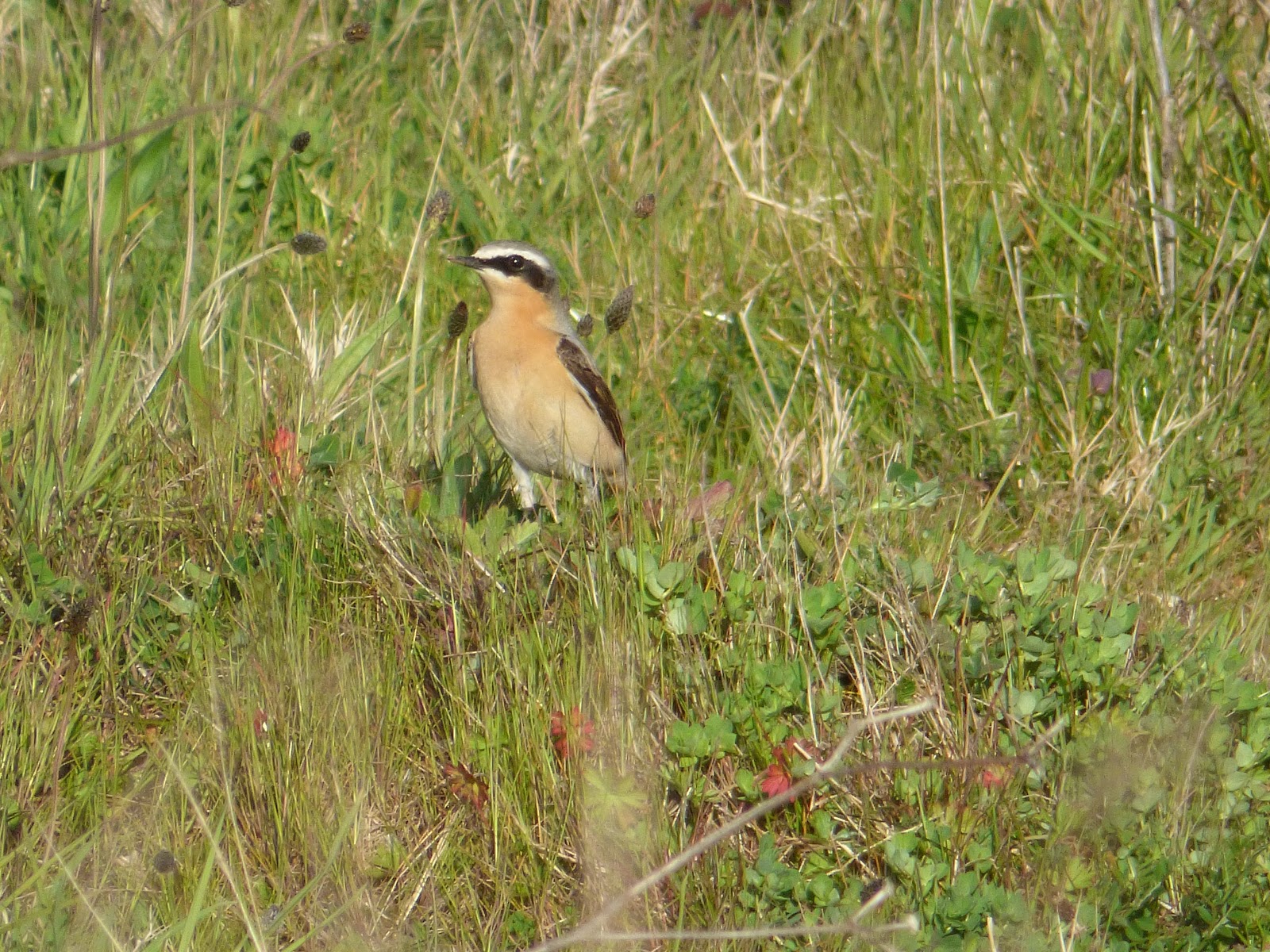
Wheatear
Common Tern

Another extended weekend of local birding with a Bank Holiday. Easterly winds with showers was just what we needed to get the waders moving through & they duly did. I visited every day from Thursday through to Monday, sometimes twice so I will try and summarise the sightings as best as possible.

Chris Lane left us for the Anglesey tern colony again and signed off with an Osprey heading north west on Thursday afternoon at 3.20pm. Later in the evening my visit only resulted in a large number of Barn Swallows feeding on the main pit.

Despite the showers & wind on Friday & Saturday it only resulted in two additional Common Sandpipers & my first Lesser Whitethroats in the main pit hedgerow.

Jon, the Squire & I made an early start on Sunday full of expectation. Pophills continued to be poor but I did get my first Grey Wagtail for the year on site which had been eluding me. Over at the main pit we were pleased with our first Dunlin but we still felt rather delated. As we turned to watch two remaining Wheatear a Grey Plover, in summer plumage, landed on the main spit ! At last a real beauty ! Whilst you always see many when on the coast they is always something special when one appears on your local patch. 

We continued around the normal circuit where the Sedge & Reed Warblers were doing their best to think we are at Minsmere but then nothing different on the south lagoons but was good to see the returning pair of Shelducks getting settled.

After catching up with Andy W we headed back to the main pit and as we did so two Greenshank flew straight over our heads and then landed steeply on the main pit. After a very short stay they continued their journey north east. Another patch year tick !

The action didn't stop there as whilst we were looking for the first Swifts a single Black Tern past over & at the same time a Black-tailed Godwit flew east. I couldn't keep up with texts and my notebook. The Black Tern was Jon's first record at the site so a real bonus for him. Later in the day the Squire returned and picked up a Little Egret flyover & another 5 Black Terns. Quite a day.

Monday turned into a bit of a disappointment after Sundays exploits but we did add Common Tern & three Swifts to the patch year list. That has now reached a pleasing 118. I did manage to find Mark Clarke his first Wheatear on the evening shift & we both enjoyed the bird at close quarters.


Tuesday, 13 September 2016

Down with the bunds

Greenshank visiting main pit
 Bund removal
Ringed Plover

I made a number of visits last week with mixed success, Autumn passage seems to be on hold generally with continued warm weather.Wader highlights were 2 Greenshank, Ringed Plover, Dunlin, 4 Common Sandpiper, 2 Green Sandpiper, 5 Snipe and 20 Lapwing. Jon also picked up a Golden Plover on his Sunday visit.

Wildfowl continues to increase with Teal numbers now to 73. Other counts include  49 Little Grebe,  15 Mute Swan, 1 Shelduck, 5 Gadwall, 73 Teal, 200 Mallard, 5 Shoveler, 39 Tufted Duck, 19 Moorhen and 158 Coot.

The dead tree on the south lagoons saw a rise in Cormorants to 25 on Saturday whilst the two Hobbys now seem regular visitors along with 2 Kingfishers.

After the overnight rain on Saturday there were 180 Swallows and 230 Meadow Pipits moving south, a total of 4 Tree Pipits through, 1 Rock Pipit circling main pit calling (equalling previous early date), 1 Grey Wagtail, 1 Whinchat, 1 Sedge Warbler, 12 Reed Warbler, 4 Lesser Whitethroat, 3 Common Whitethroat, 1 Garden Warbler (in elder by main bund), 6 Blackcap, 33 Chiffchaff, Treecreeper, Raven and 80 Goldfinch.  Thanks to Jon for forwarding his sightings which I’ve combined into the above.


On a very gloomy note the restoration of the site by CEMEX has dramatically increased and we saw the start of the removal of the bunds.

Thursday, 1 September 2016

The Greenshank has landed…….finally

Greenshank
Greenshank on the bottom of Pophills
Great Crested Grebe
Ringed Plover on main pit
Kingfisher
Lesser Whitethroat
Reed Bunting
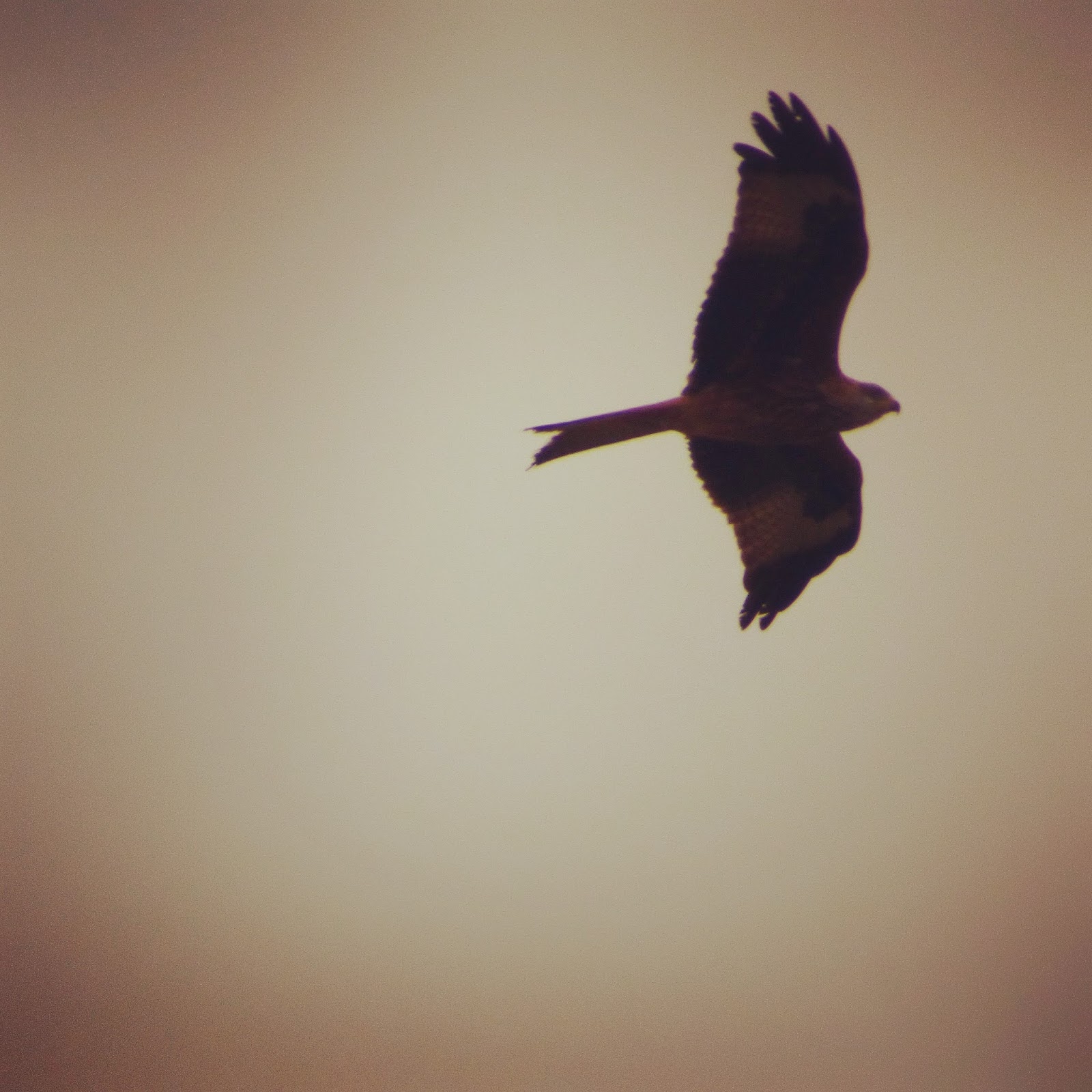
Red Kite
Red Kite
Plenty of young Pheasants
A very strange visitor (Watch out for the quick sand)


With a few days off left after Madrid I was motivated to bag a few new species for the year down at the pits. Despite favourable conditions the best I recorded was a Greenshank, my patch bogey bird. The Greenshank has taken up residence on Pophills and has been present for over a week.  We did see an additional Greenshank flying south on Sunday as I walked around with Jon. Additional waders were limited to a Ringed Plover (present one day), 5 Green Sandpipers, 10 Common Sandpipers, 25 Lapwing and three Snipe.


Two Wigeon touched down for the morning on Saturday other new wildfowl included five Shoveler and twenty Teal.


A Kingfisher was a welcome addition on the main pit that I have now seen three times in recent visits. We had had seven confirmed brood of Little Grebe including one at Pophills whilst Tufted broods are at an all time low of just two. The hedgerows seem to changed from eerily quiet to very noisy, changing every day. Lesser Whitethroats showed well on Sunday and Chiffchaffs continue to move through the site.


We recorded two Red Kites on Sunday around the plantation including one juvenile increasing hopes that they have actually settled and bred locally (neither bird was seen on Mondays visit). With the weather set fair I’m hopeful for the week ahead.

Thursday, 23 June 2016

Big weekend continues with Broad-billed Sandpiper at Newport Wetlands

Broad-billed Sandpiper (left)
Broad-billed Sandpiper (left side on)
Comparision with Dunlin
File image
Little Egret
Wood Sandpiper
         

At the end of an epic day in Norfolk last Friday, Roland (Major of Warwick) predicted the weekend northerly winds would blow the reported Broad-billed Sandpiper to Slimbridge ready for a morning visit. I could hardly believe my text alert the following morning saying "How right was I about the Broad-billed Sandpiper?" I quickly finished off the patch before assessing the chances of success given the bird was actually in Newport & not Slimbridge. Ptttttttttt, needs to improve accuracy of those predictions.

Roland didn't need much convincing however we knew the time gap would be limited as the birds stay would depend on the tide. Thankfully I'd been to Goldcliff Pools before so we made the journey in quick time. The M50 is certainly one of the nicest motorways to drive down in the UK. 

On arrival, we shuffled as quickly as hernia's would cope with before making the viewing platform where we could be our bogey bird the Broad-billed Sandpiper. These Sandpipers are traditionally seen mostly on the east cost and do move on with tide so very difficult for us midland birders to see. These birds breed up in the taiga and winter in east africa or south Asia. 

The bird fed on the other side of the lagoon island with a small Dunlin flock but could be easily picked out with the scope. The birds bill was very distinctive being longer & straighter than the Dunlin but having an downward kink on the tip. My images are quite distant so I've also added a file photo which then enables you to see the bird better on my shots.

Whilst on site it was good to witness my first Wood Sandpiper of the year, a Greenshank, plenty of Redshank & Little Egrets. Another top morning out allowing me to get home to watch the cricket at Feckenham & Roland time to do his list of chores.

Saturday, 2 May 2015

Montagu's Harriers at Blacktoft Sands

Male Monty treats us with a fly past
Garganey

Marsh Harrier
Greenshank

Heading up to Yorkshire for a couple of days took me north east past the small town of Goole where RSPB Blacktoft Sands is located. It took about two hours from the Midlands which was ideal for a break and thankfully the reserve was open when I arrived at 8.30am.

An RSPB volunteer in the visitor centre offered a friendly welcome and some advice regarding the reserve lay off. First bird to catch my eye was a male Marsh Harrier flying close over the reeds.

After about ten minutes the pair of Montagu's Harriers came into view. It is only the second time I have seen this species so to see them glide through the scope was a superb experience. 

It's great that they have returned for the second year running to the Humber. Only seven pairs nested last year in the UK, making them critically endangered and imperative to ensure every pair raises young, which the Humber pair did last year. So lets hope that they stay and breed successfully again, it certainly looks positive at the moment.

The Monty's are sub Saharan migrants and its thought that this was causing them problems as they migrated through areas in Europe where they shoot birds of prey, however radio tagging of some of the adults revealed that it is still persecution in the UK that is contributing to their continued decline. What shame on those who carry out such selfish acts which of course are against the law and a criminal offence. The birds are best viewed from Townend and Singleton hide, the birds will have Species Protection Wardens carrying out a 24hr guard on the site.

As I started to explore the rest of the reserve I located a pair of Garganey on the bank of the first hide whilst a Greenshank was also present. It was great to see some of the pairs of Avocets whilst I also noted two Ruff amongst the reeds.

After a great couple of hours it was back in the car to head to Bempton.

Sunday, 5 October 2014

East Devon birding


Exmouth
New hide at Bowling Green Marsh (Topsham)
 Curlew Sandpiper
  Curlew Sandpiper with Redshanks
Black Hole Marsh - Axe Valley Wetlands
                                         Estuary - Axe Estuary Wetlands
 Greenshank
 Ruff
 Little Egret
 Wheatear
 Curlew
 Godwits
Sidmouth

With two days annual leave to use up before the end of September I was able to take up the offer to stay in Sidmouth, Devon with parents on the sea front. With a Wryneck reported the days previous on the cliffs above the town I headed there in more hope than expectation. A local photographer kindly showed me the place it had been showing however the clear night had proven to much of a draw for the bird as despite a hunt high and low the bird had gone. I did see a late Sandwich Tern pass below whilst Swallows were preparing for the long flight ahead. I then made the 15 minute drive to Bowling Green Marsh, Topsham where their new hide had been opened. A few of the locals were moaning about the glass on one side of the hide however it looked like a great facility for local wildlife watchers. The hide windows opened two ways which will benefit all when the hide gets busy. With high tide passed sightings were limited to 3 Ruff, a flock of Godwits, Grey Heron and Black-headed Gulls. Down at the estuary view point there was a Juvenile Curlew Sandpiper, 5 Greenshank, Redshanks and more Godwits. After a lunch time stop in Sidmouth I opted to Axe Estuary Marshes by Seaton. The Axe Estuary Wetlands is a nature reserves managed by East Devon District Council on the lower Axe. The District Council has a long term ambition to create a single nature reserve stretching from Seaton to Colyford, which will bring environmental, social and economic benefits to the area.  Currently the District Council owns three reserves on the Axe, Seaton Marshes, Colyford Common and Black Hole Marsh. These reserves are a rich mosaic of saltmarsh and freshwater grazing marsh, ponds, reedbed, ditches and saline lagoon. To park you needed to pass through the cemetery which was a first. The signage throughout the whole reserve was excellent. 

The water level was higher than expected however there was some great views of a close Ruff , Little Egret and Greenshank. I did pick up a resting Wheatear opposite the hide. Over at the Estuary a flock of returning Wigeon flew past whilst a large flock of Gulls were trying to get any food they could. A Redshank and Lapwing both fed close to the hide on the edge of the river. Other note sightings included Kingfisher and Curlew. 

Overall a superb reserve !