Showing posts with label Little Egret. Show all posts

Thursday, 8 June 2017

Little Egret's top the weekly sightings


 Little Egrets (Mark Clarke)
  Little Egrets (Mark Clarke)
 Little Egrets (Mark Clarke)
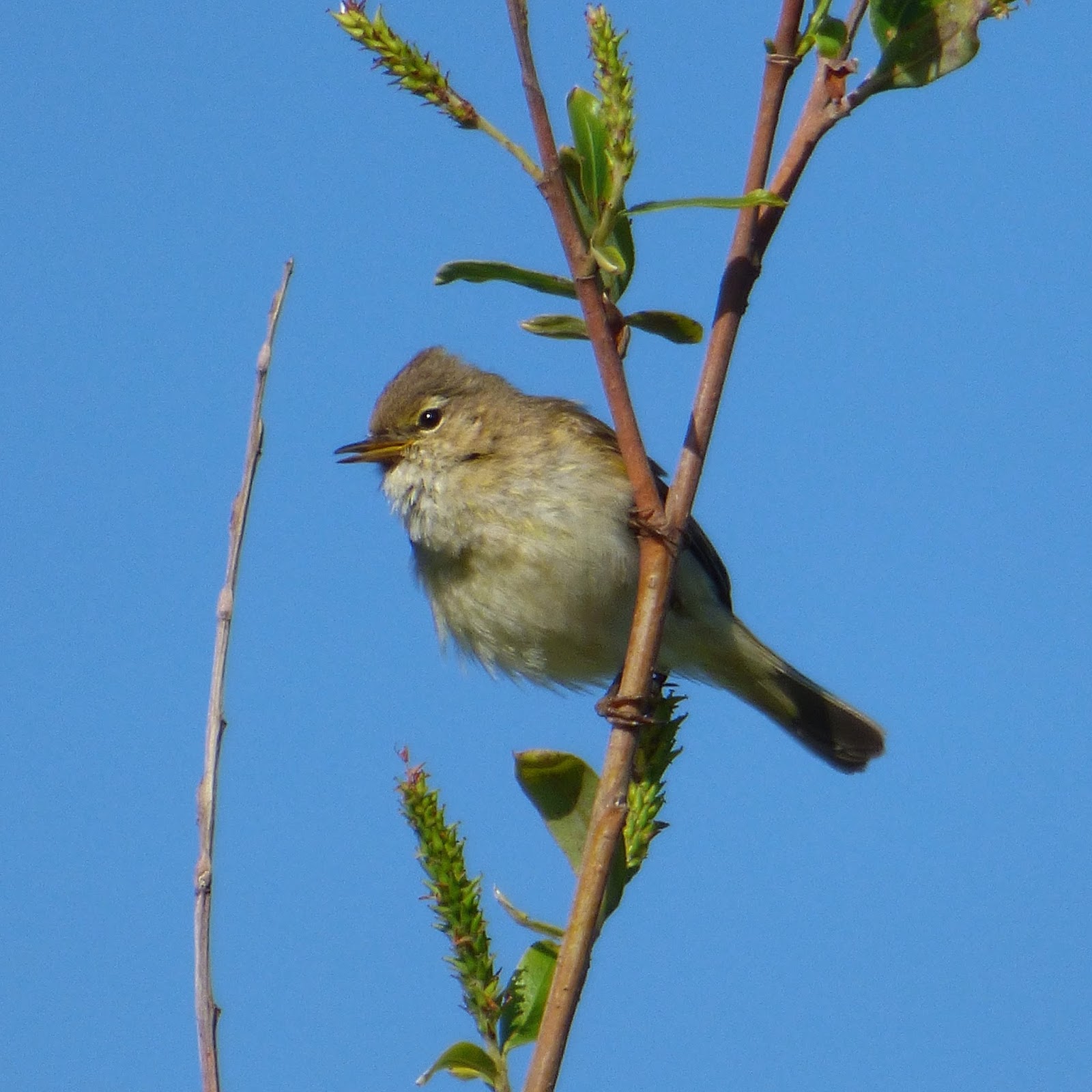
Main pit Chiffchaff
Whitethroat
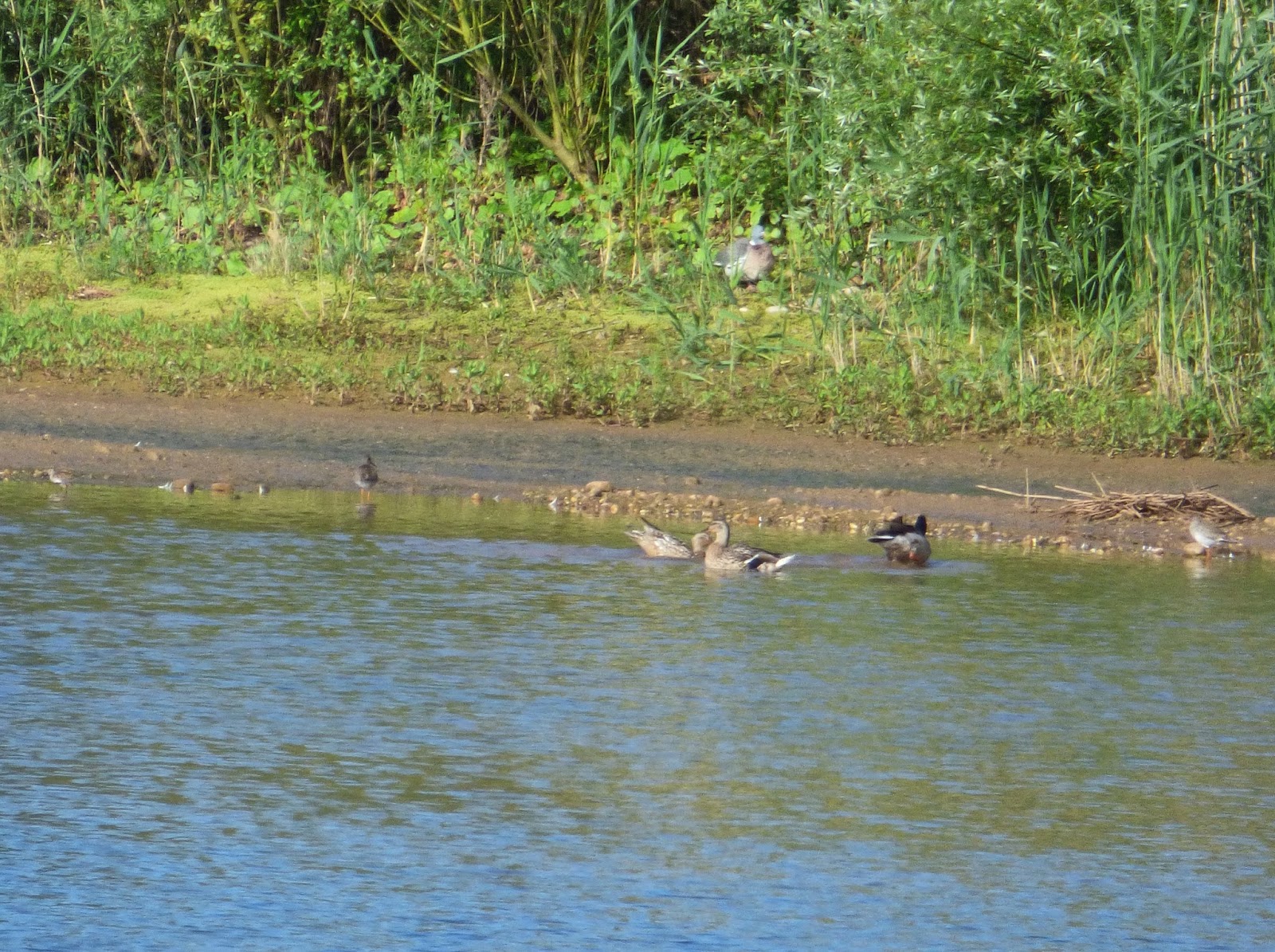
Two Redshank & distant Dunlin
360 from top of the bund
Main pit views
Brown Hare (Butterfly Dave)
Fallow Deer (Butterfly Dave)

It’s that time of year when I’m spending a lot of time in one area of the patch to ensure the breeding birds are left alone. Some times these periods of time can go quite slowly but its good to be part of some great conservation work with other like minded people. Taking this aside there was very little movement over the week except four Little Egret found by Mark Clarke. Highlights were two single Ring Plovers that past through, then on Saturday I had two Redshanks & a Dunlin which I found on Pophills before flying over to the main pit. The water levels are the best we have had for many years so you have to remain hopeful of a good wader when the Autumn passage begins.


On Thursday afternoon I was asked if I could show Butterfly Dave around the patch as he was intrigued to see Salford Priors for himself. The weather was very kind & we recorded two Painted Lady butterflies, Fallow Deer & the normal selection of Brown Hares. He was really shocked about the size of the place and gave him more understanding to how it takes us so long to bird properly. Dave took a few images which are displayed above.

Thursday, 24 November 2016

Winter surprise at Upton Warren

Distant Goldeneye
Kingfisher
Curlew
Curlew
Secret hiding spot
Little Egret
Kingfisher

Upton Warren had a surprise visitor last week in the form of a male Goldeneye. I can't ever remember seeing one at Upton before, strange as you would have thought the Moors pool would be ideal in terms of depth, perhaps it's not wide enough. Bartley & Draycote are always the best local places to see them. 

Over 27,000 Goldeneyes winter in the UK however there is only 140 breeding pairs. It is encouraging to read that this number is increasing as the ducks are using nest boxes as excavated holes in trees are less available. It is thought less birds now travel to the UK each winter due to mixed winter in Europe.

I had to be content with a distant shot due to the suns position. In front of the hide a Kingfisher was looking for a late breakfast. It was great to see the bird move round the area trying his luck from different positions. It's a bird I never tire of seeing.

Other highlights included 8 Curlews taking advantage of the great work the work party has completed, a Little Egret, 105 Coot, Great Crested Grebe, Green Woodpecker, Grey & Pied Wagtail, 12 Pochard, 6 Shoveler and 80 Teal. 

Wednesday, 21 September 2016

South west birding (Part 5) - Return to Steart

Wheatear

Little Egret
Grey Plover
Distant Little Stint
Spot the Kingfisher
Stonechat

The lads were heading into Taunton to take on a high ropes courses so I opted for a return to Steart. I almost didn't make it as I luckily avoided a head on smash on the lanes when a Volvo flew round a corner at speed before slamming it's breaks on to avoid me by millimetres. Nutter ! 

The waders were quite distant when I reached the view point however I worked my way through the marsh trying to find and observe what ever possible. The best find were two Little Stints shuffling through the mud with a flock of Ringed Plovers. Plenty of Dunlin & Redshank on show with two Greenshank & a distant Kingfisher landed on the marsh gate. 

A local female birder joined me from Taunton who appeared informed on local sightings however there were a genuine lack of birders around the reserve considering it was just after high tide. 

A Wheatear popped up just in front of me which gave me the chance to take some reasonable images before heading across the reserve to watch the wildfowl containing Teal, Shelduck & Pintail. On the way back to the car I noted a Stonechat & a Whinchat. A very relaxed morning. 

Thursday, 1 September 2016

Coffee & cake birding at Middleton Lakes


After way too many fruitless visits to the pits, Mrs D and I headed over to RSPB Middleton Lakes for a bit of coffee & cakes birding. Before we tucked into the delights of the coffee shop we did a large circle of the reserve. The water level has increased with the weekend rain so the only waders on show were a Dunlin, 3 Little Ringed Plovers, Lapwing & a Black-tailed Godwit. The Marsh Harrier that had been around for a few days flushed everything at one stage and I’d hoped it might flush another wader out but no such luck.  Other sighting included many Little Egrets (now confirmed breeders), four Wigeon and good influx of Gadwell & Teal. Nice walk, top coffee & cake but lacked a real goodie.

Wednesday, 20 July 2016

Day of the Water Rail


A couple of hours on Saturday resulted in a Little Egret flyover being the highlight whilst the Sparrowhawk chicks were jumping & taking small flights around the top of the plantation.

On Sunday Jon & I did a comprehensive survey of the pits to try and establish any wader movement of new broods. Pophills remains very quiet despite the water levels starting to improve.

Over at the main pit a Yellow Wagtail passed over the bunds twice whilst on the main pit the Coot count reached 205. Sadly still no Tufted broods among the count of 48. A single Common Sandpiper was on the main island. Other sightings included a Raven, Kestrel and three Herring Gulls.

On the reed lagoon there was more breeding success when we observed five Water Rail chicks. That was the first time we have seen chicks on this lagoon but have always heard adult birds there. There were eight Green Sandpipers  & another Common Sandpiper  around this area and there was good news regarding the Shelduck chicks as all six were seen doing well but keeping under the reeds.

Butterfly sightings included an Essex Skipper, Marbled White, Tortoise, Small Skipper, Ringlet and Gatekeeper whilst we also found a number of Cinnamon Moth Caterpillars that looked cool in their Wolverhampton Wanderers colours.

Monday, 23 March 2015

Upton Warren delights (as normal)

Straight on for the Flashes
 Little Egret
 Common Snipe
Pied Avocet 

Opted for a few hours at Upton Warren on Saturday afternoon, as normal the reserve looked fantastic and ready for an influx of migrants.

Starting at the Moors, a Kestrel hovered above the car park as I headed to the east hide. From the hide it was good to see 4 Little Egrets (a bird I've not seen at the gravel pits yet) had moved in whilst a Common Snipe was on the waters edge giving me the chance to get a digiscoped image. A pair of Oystercatchers were displaying on the near island. Other note worthy sightings included 37 Shoveller, three Lapwing, eight Teal, two Gadwall, four Shelduck and 60 Tufted Duck.

I thought I might see a Sand Martin on the Sailing Pool but had to settle for three Great Crested Grebe. As I headed towards the Flashes I picked up five different singing Chiffchaffs.

As always the Avocet were great to observe. One bird fed very close to the hide. Other sightings included 2 Raven (preparing to nest), 25 Teal, four Shelduck, three Oystercatcher, three Lapwing and a pair of Linnets. I did scan the fields a number of times for a Wheatear but they seem very slow in coming through the Midlands at the moment.

Tuesday, 7 October 2014

Autumn birding at Upton Warren

Upton Warren

Little Egret 
Snipe

With a big week ahead I took advantage of the good forecast and had a couple of hours at the Upton Warren Moors on Sunday. Leaving the car park I observed Meadow Pipits flying south whilst there was a selection of Long Tailed Tits, Dunnock, Blackcap and Robin.

Sitting in the east hide it was good to see three Little Egret still on the reserve. Two of them seemed to be happy with each other whilst the other needed to stay on his toes as his presence was not appreciated, this could be said for a new pairs of Swans that were trying to settle much to the disgust of the established pair.

Two adult Kingfishers and a juvenile could be seen at regular intervals whilst other notable sighting were a Pintail, 7 Wigeon, 4 Pochard, 2 Grey Herons, Lesser Black Backed Gulls, 10+ Snipe, 3 Cetis Warblers, 30+ Shovellor, Chiffchaff, Long Tailed Tit and 60+ Lapwing in the A38 field. 

There was a work party on a Flashes but with going away to Scotland I didn't want to risk a strain getting in the way. By the look of the forum photos they had done some great work clearing the silt close to the hide. 

Time to pack those bags ready for the Highlands.


Sunday, 5 October 2014

East Devon birding


Exmouth
New hide at Bowling Green Marsh (Topsham)
 Curlew Sandpiper
  Curlew Sandpiper with Redshanks
Black Hole Marsh - Axe Valley Wetlands
                                         Estuary - Axe Estuary Wetlands
 Greenshank
 Ruff
 Little Egret
 Wheatear
 Curlew
 Godwits
Sidmouth

With two days annual leave to use up before the end of September I was able to take up the offer to stay in Sidmouth, Devon with parents on the sea front. With a Wryneck reported the days previous on the cliffs above the town I headed there in more hope than expectation. A local photographer kindly showed me the place it had been showing however the clear night had proven to much of a draw for the bird as despite a hunt high and low the bird had gone. I did see a late Sandwich Tern pass below whilst Swallows were preparing for the long flight ahead. I then made the 15 minute drive to Bowling Green Marsh, Topsham where their new hide had been opened. A few of the locals were moaning about the glass on one side of the hide however it looked like a great facility for local wildlife watchers. The hide windows opened two ways which will benefit all when the hide gets busy. With high tide passed sightings were limited to 3 Ruff, a flock of Godwits, Grey Heron and Black-headed Gulls. Down at the estuary view point there was a Juvenile Curlew Sandpiper, 5 Greenshank, Redshanks and more Godwits. After a lunch time stop in Sidmouth I opted to Axe Estuary Marshes by Seaton. The Axe Estuary Wetlands is a nature reserves managed by East Devon District Council on the lower Axe. The District Council has a long term ambition to create a single nature reserve stretching from Seaton to Colyford, which will bring environmental, social and economic benefits to the area.  Currently the District Council owns three reserves on the Axe, Seaton Marshes, Colyford Common and Black Hole Marsh. These reserves are a rich mosaic of saltmarsh and freshwater grazing marsh, ponds, reedbed, ditches and saline lagoon. To park you needed to pass through the cemetery which was a first. The signage throughout the whole reserve was excellent. 

The water level was higher than expected however there was some great views of a close Ruff , Little Egret and Greenshank. I did pick up a resting Wheatear opposite the hide. Over at the Estuary a flock of returning Wigeon flew past whilst a large flock of Gulls were trying to get any food they could. A Redshank and Lapwing both fed close to the hide on the edge of the river. Other note sightings included Kingfisher and Curlew. 

Overall a superb reserve !