Showing posts with label Red Kite. Show all posts

Sunday, 18 February 2018

Kites & finches

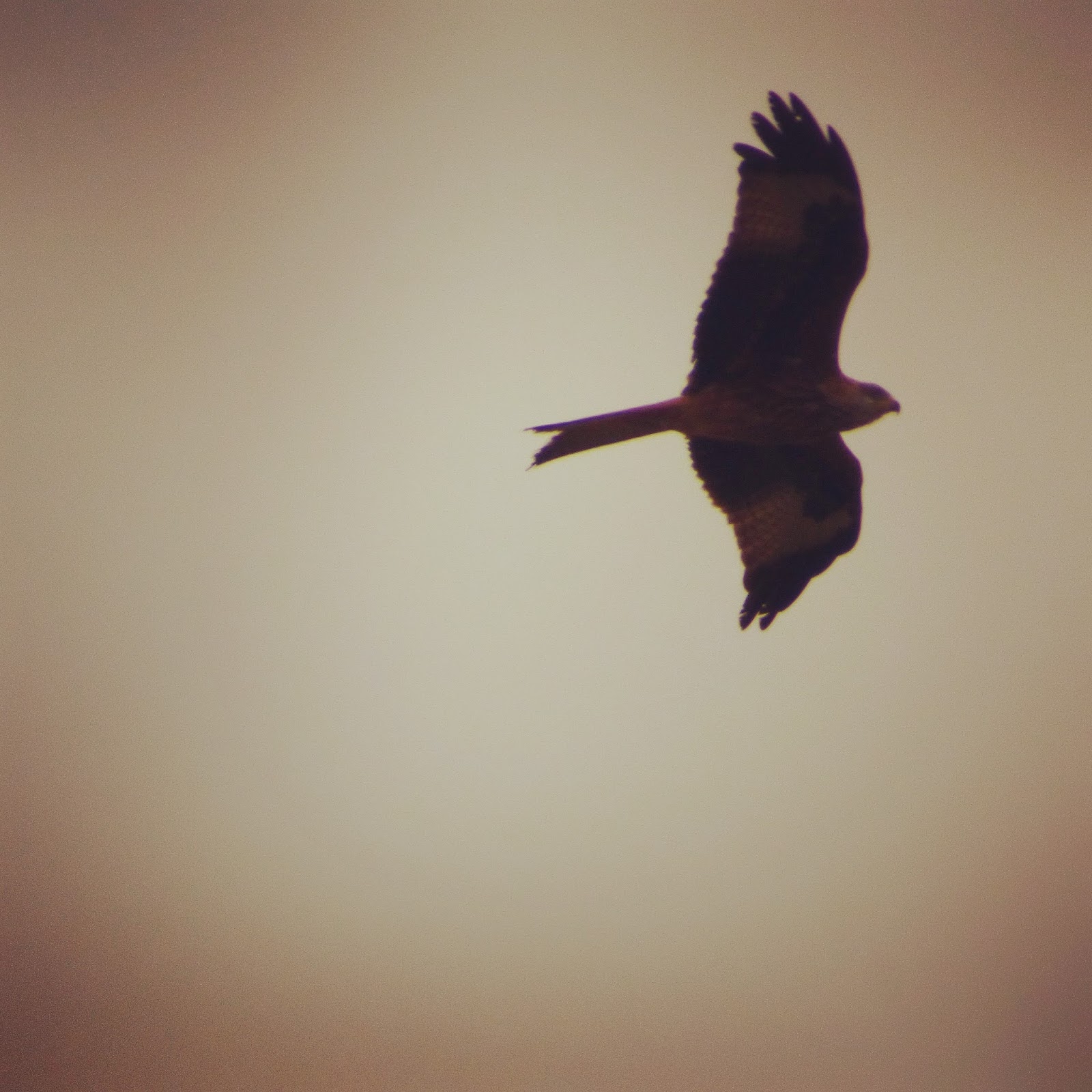
Red Kite over head
Red Kite chasing off the corvids
Little Grebe 
Fallow Deer
Main Pit island ready for spring
Yellowhammer in great voice
Greylags
View of main pit from orchards
More Yellowhammers

Two patch visits this week as I managed to drop in on the way home from Evesham after picking up my international driving licence for an upcoming trip. On arrival I found Mike Inskip by Pophills & then found Chris Lane walking towards me on the lane down from Dunnington.

Before I reached the pits I found our returning pair of Red Kites to the east of pits. I quickly jumped out the car to watch the birds closely above me. With Red Kites duly added to the patch year list we added another on the main pit where a female Goosander was resting on the Oystercatcher island. The rest of the wildfowl numbers were very quiet. 

I then headed up to the orchards with Chris where there were still good numbers of Fieldfare & a handful of Fallow Deer before us on the path. Chris had seen a Brambling an hour before but as the light faded we had to be happy with an excellent flock of Chaffinches. 

It was a foggy start on Sunday but thankfully it burnt off quickly making it quite a reasonable morning. I met up with Jon as planned before we started our circuit. In the area where the main bund stood a flash has developed which seems to be attracting the Lapwing and our Green Sandpiper. This area may be profitable come the spring if the water level is maintained. A single drake Wigeon was joined by another good flock of teal on Pophills. Over at the main pit highlights included 3 Shelduck, 3 Pochard (1 extra on central lagoon), 25 Lapwing and an Oystercatcher.

Jon headed to check the southern end of the pits whilst I headed up the orchard to find the finch flock. A Kestrel kindly flushed their position feeding on the rough crop so I set up my scope and started working my way through the flock. The Yellowhammers & Reed Buntings were both singing which is always a pleasure. The flocks approximate numbers were 250 Chaffinch, 20 Reed Bunting, 40 Yellowhammer, 30 Linnet, 5 Greenfinch and a pair of Bramblings. 

Other sightings included 7 Little Grebe, 7 Cormorant, 3 Grey Heron, pair of Mute Swan, 310 Greylag, 28 Canada Geese, 13 Gadwall, 115 Teal, 310 Mallard, 21 Shoveler, 87 Tufted Duck, 6 Moorhen, 104 Coot, a Snipe, Sparrowhawk, 40 Black-headed Gulls,2 Buzzard, Great Spotted & Green Woodpecker, Grey & Pied Wagtail, 4 singing Song Thrushes, a Mistle Thrush and a pair of Raven.

We also recorded 4 Fallow deer, 8 Roe Deer & 4 Brown Hare. 

Thursday, 30 March 2017

Salford Priors super Red Kites


On the way to the pits on Sunday one of the regular Red Kites caught my eye and given the superb weather (although cold) I thought I'd stop and watch the bird as it was very close to the road. Kites don't have the power of some raptors so have to reply on scavenging on dead carrion & earth worms but they certainly are capable of taking small voles & rodents when pushed. 

On this occasion a dead lamb was the attraction and the bird was soon joined by his partner who circled the field making it amazing viewing. The Kites did have to battle with the local corvids & for a short time a Buzzard also joined in the action.

A pretty good start to Sunday morning............

Wednesday, 8 March 2017

Grimley's American Wigeon is weekend highlight

 American Wigeon
 American Wigeon
 American Wigeon
 Great Crested Grebe
 Red Kite
Loving couple

With no new lifers reaching the UK this week I opted for a weekend of local birding which started over at Grimley where I improved on my only one previous siting of an American Wigeon. It seems this bird was probably blown in by Storm Doris midweek. The bird attracted quite a decent crowd who had timed their arrival better than my own. I'd spent the previous hour searching through the flock of Wigeon on the pits before reaching news the American Wigeon was on the north pit again.

With the first few Sand Martins passing through the midlands I was hoping for an early record but a grim & wet Sunday morning put paid to those chances. The wintering Green Sandpiper was still present on Pophills rotating between the north & south shores. A Great Crested Grebe was a surprise find who seemed pretty comfortable with being watched & photographed. Three Buzzards were displaying over Ennister Wood as the rain briefly abetted as I headed over to the main pit. The wind was really getting up making it very unpleasant to make an accurate counts however there were a flock of 50+ Tufted Ducks, two Pochard, two Shelducks (three on Sunday) & 80+ Teal. The normal flocks of Canada & Greylag Geese were on the rough ground on the edge of the pit.

I did record a patch year tick as I picked up a Red Kite hunting on the east side of the pits over Dunnington. I saw the bird again as I drove home and watched it well around the Cock Bevington turning. 

In late news, the Squire flushed a Great White Egret from the dead tree at Abbots Salford late afternoon. 

Thursday, 1 September 2016

The Greenshank has landed…….finally

Greenshank
Greenshank on the bottom of Pophills
Great Crested Grebe
Ringed Plover on main pit
Kingfisher
Lesser Whitethroat
Reed Bunting
Red Kite
Red Kite
Plenty of young Pheasants
A very strange visitor (Watch out for the quick sand)


With a few days off left after Madrid I was motivated to bag a few new species for the year down at the pits. Despite favourable conditions the best I recorded was a Greenshank, my patch bogey bird. The Greenshank has taken up residence on Pophills and has been present for over a week.  We did see an additional Greenshank flying south on Sunday as I walked around with Jon. Additional waders were limited to a Ringed Plover (present one day), 5 Green Sandpipers, 10 Common Sandpipers, 25 Lapwing and three Snipe.


Two Wigeon touched down for the morning on Saturday other new wildfowl included five Shoveler and twenty Teal.


A Kingfisher was a welcome addition on the main pit that I have now seen three times in recent visits. We had had seven confirmed brood of Little Grebe including one at Pophills whilst Tufted broods are at an all time low of just two. The hedgerows seem to changed from eerily quiet to very noisy, changing every day. Lesser Whitethroats showed well on Sunday and Chiffchaffs continue to move through the site.


We recorded two Red Kites on Sunday around the plantation including one juvenile increasing hopes that they have actually settled and bred locally (neither bird was seen on Mondays visit). With the weather set fair I’m hopeful for the week ahead.

Sunday, 10 July 2016

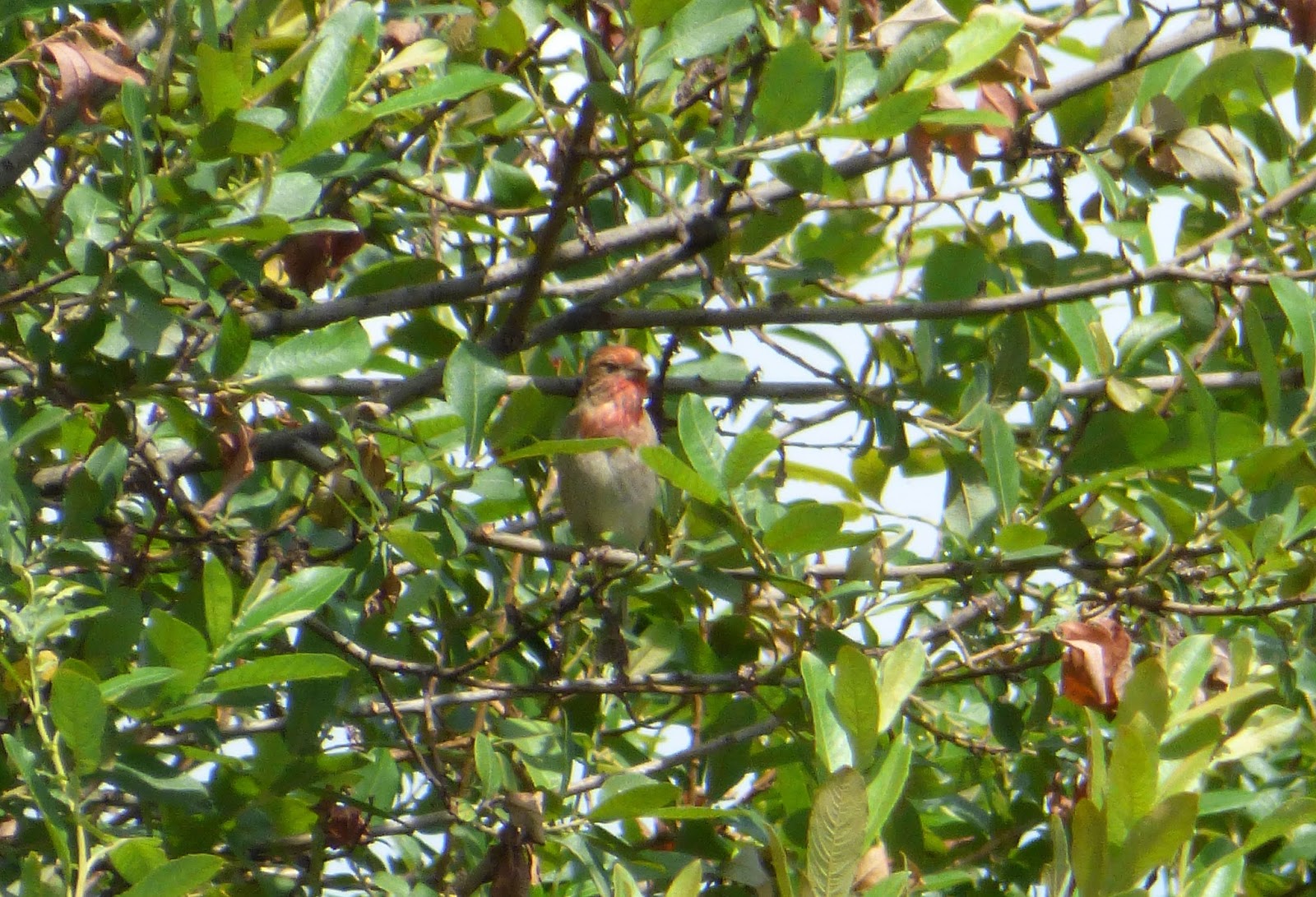
Common Rosefinch down the Stow

Common Rosefinch
Slightly different angle
First view
Location
Happy audience
 Local underpass street art
Favoured Willow
Walthamstow Marshes
Short Video Clip taken hand held at distance

I didn't need a second invitation from Stourport twitcher Dave J  & Tony to join them on a twitch to Wathamstow Marshes to see a reported male Common Rosefinch. The plan was to wait for news and then set off.  The reports were a little on and off however I estimated it was worth the risk of a 2 1/2 hour journey. The bird had been found by patch birder Jamie Partridge, a mega in terms of patch birding.

After initially going the wrong way we found the path in question heading north west from Lea Valley Riding Centre (free parking) to the railway bridge. However on arrival the birders present had only witnessed flight views and nothing for over an hour.

After a frustrating ninety minutes we heard the bird was seen further towards the canal so we all duly marched east and the gamble paid off as we heard the Rosefinch singing in its sweet voice behind us and then flew straight over us into a large willow tree.  As if by magic instead of hiding in the foliage the bird showed really well singing its heart out. Twice it flew to the reed bed where in perched on a stem before returning to the willow. 

I'd never seen a Rosefinch before - it was Bullfinch size, had a hefty bill and extremely beautiful red head. Suggestion seemed to indication it is a first summer bird as the red tones are not extensive & the median coverts were white tipped rather than pinky red.

A few birders had only just arrived at the site and got fantastic views within minutes of arrival. After pleasing the increasing crowd the Rosefinch took flight towards the pub & local housing where it had been seen on a feeder.

All chuffed we headed back up through the urban London jungle to increase our Red Kite count on the M40 to eighteen birds.

Wednesday, 24 June 2015

Big Autumn needed to secure Europa league place in Patchwork Challenge

 Bee Orchid
 Litte Ringed Plover (Pophills)
 Red Kite
Turtle Dove
Bottom Lagoon
Patch Challenge Midland Table

As the May Midlands Patchwork table was issued our first Kingfisher of the year was recorded by Paul and I during our midweek visit. Another valuable point as we try and keep pace with local rivals Earlswood.Our cheeky 3 pointer Pectoral Sandpiper should hopefully help us on June totals.

Sunday saw the Green Sandpipers increase to six whilst there were a notable increase in House Martins. LRP's were still mobile around the site but I still haven't seen any young. The high number of predators is probably the reason for this rather than suitable habitat. 

One of the local Turtle Dove allowed some super views from a distance before taking flight and a Cuckoo was still present in the dead trees along the A46. Surprise of the morning was three Red Kite that were drifting towards Hilliers as I drove home. It looked like 2 adult birds and a juvenile. 


Monday, 4 May 2015

Red Kites are Salford Priors highlight

Distant Red Kite
 Bank Holiday Monday Dunlin
Yellowhammer

With heavy rain falling and the wind changing to more a favourable direction both myself and Jon were hopeful of finding some new for the year at gravel pits on Sunday.

It was pretty much business as usual at Pophills with the Little Ringed Plover and Common Sandpiper however the Oystercatcher's absence was noted.

As we headed across to the main pit two Swifts (my first of year at the pits) came through, I'm a huge Swift fan so it was great to see them back. It would be interesting to see if they nest locally. 

On the main pit there were three Common Sandpipers, two Little Ringed Plovers and the pair of Shelduck. On the pit side a Cetti's Warbler was calling which is not a place we have heard them before.   

Three Common Snipe were flushed from the old lagoon and meadow whilst we located 5 Lesser Whitethroats and 15 Sedge Warblers.

From the top of the bunds a Hobby came out to hunt close to the bypass whilst a Sparrowhawk flew high above the plantation. Another Cetti's was calling by the hidden pools whilst the local Linnet population seemed very busy in the gorse.

Before leaving we always make a habit of checking the pits again. As we reached the main pit two Red Kite flew into view which was brilliant as I personally have never seen them at the pits before. The Kites may well have drifted from Bredon Hill where they have been reported regularly.

Swift and Red Kite were the 105th and 106th species on the site this year by myself. Next Saturday see's us take on other Warwickshire sites in an all day bird race. Every one welcome to join in. 

I did visit the site early on Bank Holiday morning where the only new arrivals were a Garden Warbler at the top of the reserve and 4 Dunlin that I managed to get a digiscoped image of.

Tuesday, 10 February 2015

Owls and Kites in Cotswolds

Red Kite above Great Barrington
Always a great site
 Short-eared Owl
 Barn Owl
 Short-eared Owl
Double Trouble

After completing my airport drop off the serious good weather tempted me to head to the Cotswolds for a few hours of exploring. First stop was Great Barrington where I had a good search for a wintering Hen Harrier with no avail. The area was stunning and four Red Kites circled the fields. Other sightings included Kestrel, Buzzard and a Peregrine perched on the airfield mast.

I then made the short journey to Hawling to watch the fantastic Short-eared Owl's. They were already flying by the time I'd arrived so I opted to stay away from the crowds and watch from a small gap near the cross roads.

The decision paid dividends as the Owls started to hunt the edge of the long grass which enabled me to get a few record shots. The Owls even crossed over the roads on a number of occasions so you would wonder if the voles are now running low in the main field. The local Barn Owl then appeared and hunted right in front of me before battling with one of  the Short-ears for hunting rights. At one time the Barn Owl was in the grass only to be bombed by the Shortie. It was awesome viewing.