Tuesday, 20 October 2015

Salthouse & Cley - Norfolk October Day Trip (Part 3)

 Cley Visitor Centre
 Got to be done
 Salthouse beach
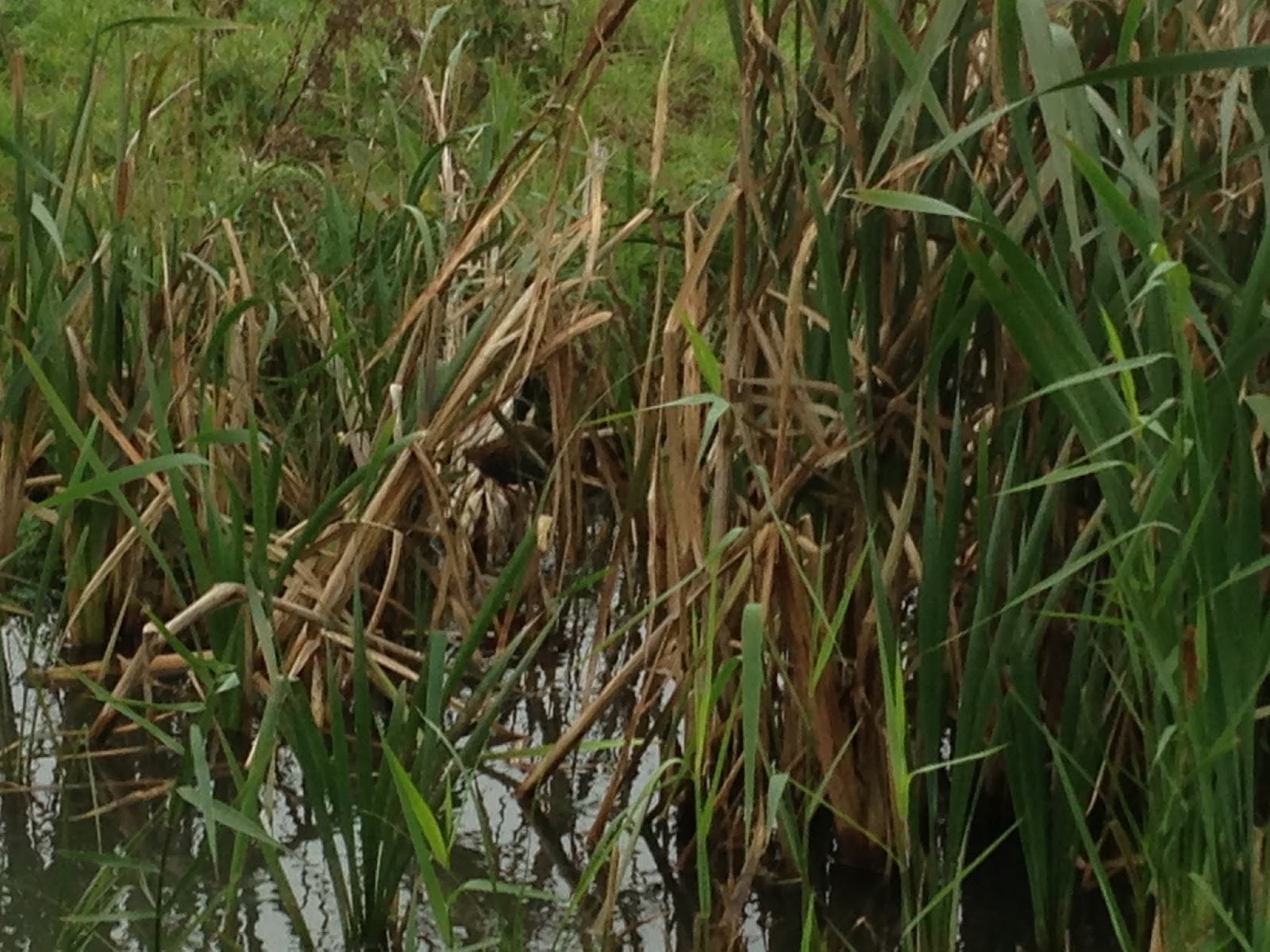
Water Rail heading into hiding - taken with phone

Next stop was Salthouse and Cley. The sea was very rough at Salthouse so I had 20 minutes sea-watching but the only birds I picked up was Gannets that were being forced to fly much closer to the shoreline than normal. 

Two Water Rail greeted me as I opened the hide window on Cley Marshes. In all honesty there wasn’t really anything of great note so I retreated to the visitor centre for a coffee and a ginger slice. Whilst stuffing my face I picked up a Short-eared Owl coming in off the sea being harassed by two gulls. As I picked it up early I managed to get other people sat by me on to the bird including a small travel group. The guide was well happy and duly thanked me.

Muckleburgh Hill Olive-backed Pipit - Norfolk October Day Trip (Part 2)

Olive-backed Pipit -Stephen Whayman

                                    Olive-backed Pipit -Stephen Whayman
Dave Carter - YouTube Video

With a great start to the day I knew that the Olive-backed Pipit on Muckleburgh Hill could prove a little more troublesome as reports were very on and off. On the positive note a local birder gave me some specific instructions about where he has seen the bird the previous evening. 

Once on site I duly followed the instruction and found two birders in the location at the top of the hill despite there being many more in the vinicity. We all picked up a Pipit among the bracken but none of us got a great view. Suddenly the bird popped up to the edge of a scrub where you could see the stunning olive back on the bird. The birds supercilium was very clear and really was quite stunning. I never thought I’d find a Pipit something of such beauty.

Besston Isbelline Shrike - Norfolk October Day Trip (Part 1)

Isbelline Shrike - Chris Boyd
Isbelline Shrike -
Isbelline Shrike - Stephen Whayman


Video - The ID Bird Company

With the winds looking favourable I hit the road early on Friday at 4.30am to the East coast. First stop was Beeston Common which would be my furthest point from home before working back along the coast. The journey took around 3 ¼ hours, a couple of podcast& some new music certainly helped. 


Beeston is near Sheringham and a layby at the foot of the common was a perfect place to park. Not knowing where to head didn’t matter as soon as I was on the common I could see my first target bird an Isbelline Shrike perched to my right on a Hawthorn Bush. The light was very poor but the handful of birders got some fantastic views. 

Digiscoping was very difficult but thankfully Stephen Whayman (Website whayman.com Flickr Stephen Whayman2015)& Chris Boyd (Twitter ChrisDipperBoyd) kindly provided me with some fantastic shots for the blog of both the Shrike & Pipit. 

Isbelline Shrikes are related to Turkestan Strike and breed in Mongolia and West China. The bird was around 200 metres away during my time observing and could be seen catching bees and flies.

Sunday, 11 October 2015

Slow Autumn movement at Salford Priors

 Stonechat
 Stonechat
 Looking east from main pit
 Riverside
 Four Grey Herons
 Wheatear
 Wheatear

A double header of patch birding this weekend with visits on Saturday & Sunday. We have received some very disappointing news in terms of pits surviving in the near future from the land owners Ragley Estates who are pushing ahead fast now with returning the land to agricultural use. West Midland Bird Club were very interested in putting forward a financial proposal to take over the site however it seems that this will not be considered at all much to every ones disappointment. At the end of the day the land is owned by Ragley Estates and they are under no obligation to do anything other than what they want however it would be a real shame if all the great wildlife moves on from this area of Warwickshire.

After checking around the normal area's Paul and I headed headed down to the river and walked a circle of the area towards Wixford. The area by the old station was full of Goldfinches and Tits. The scrub area looks very promising for a potential Firecrest but this time we had to settle to watch good numbers of close Goldcrests. There wasn't much to note on the river except a few Mallard, a Kingfisher fly pass, singing Chiffchaffs and about five Bullfinches. When reaching the fields we picked up a nice flock of 11 Yellowhammers.

Despite the easterly winds the pits remained quiet on Sunday. The Pintail's are edging closer to their breeding plumage on the main pit that were in the company of 96 Teal, 35 Little Grebe, 22 Tufties and a single Wigeon & Pochard. A Stonechat could be observed on the bund by the main pit. 

A Little Egret was a welcome sight on the old workings lagoon and it wasn't long until we found two very smart Wheatear enjoying the freshly ploughed Snipe meadow. The Skylarks were singing again above the meadow whilst 4 Grey Herons had found something of interest in the same area. 

Birds of prey were restricted to Sparrowhawk, Kestrel and Common Buzzard. Two good mornings of patch birding in good company but nothing to get the heart racing.

I finished the weekend by visiting Upton Warren for the Sunday gull roost where I recorded my first Upton Warren Barn Owl.


Pipits on the move

Meadow Pipit on Snipe Meadow
Stonechat
Starlings
Nice surprise in the landfill area
Mute Swan family
Can you spot the Stonechat ?
Fun on the bunds
Pano shot of main pit


After a session of birding with hundreds on Saturday at Slimbridge, thankfully it was back to the peace and quiet of Salford Priors on Sunday. Lee & Paul teamed up with Jon and I for part of the patch walk before leaving us to explore the bunds. Pophills was once again very quiet, we really need some rain to increase the water level as its not attracted any notable waders for weeks.

As we crossed over the road a Golden Plover past over calling heading north east.

The plantation held a remaining male Blackcap, 5 Chiffchaffs, Goldcrests plus the normal selection but despite our best efforts we couldn’t find a Yellow-browed Warbler.

Our two visits to the main pit resulted in finding the two Pintail which have been with us for 2 weeks, 4 Shoveler, 56 Coot (down from a high of 185), 83 Teal, 57 Lapwing, 3 Green Sandpiper, 12 LBBG, 20 Little Grebe and 20 Black-headed Gulls. A Jay, not a common sighting at the pits, flew south over migrant hill towards Evesham.

As we reached the old workings it became clear there was plenty of movement of birds, most probably happening very high above us in clear skies, as there were Meadow Pipits every where. There were also a flock of 30 Linnets and a dozen Goldfinch feeding around the fringe of the area. 13 late Swallows were recharging their batteries on the wires before continuing their journey south.

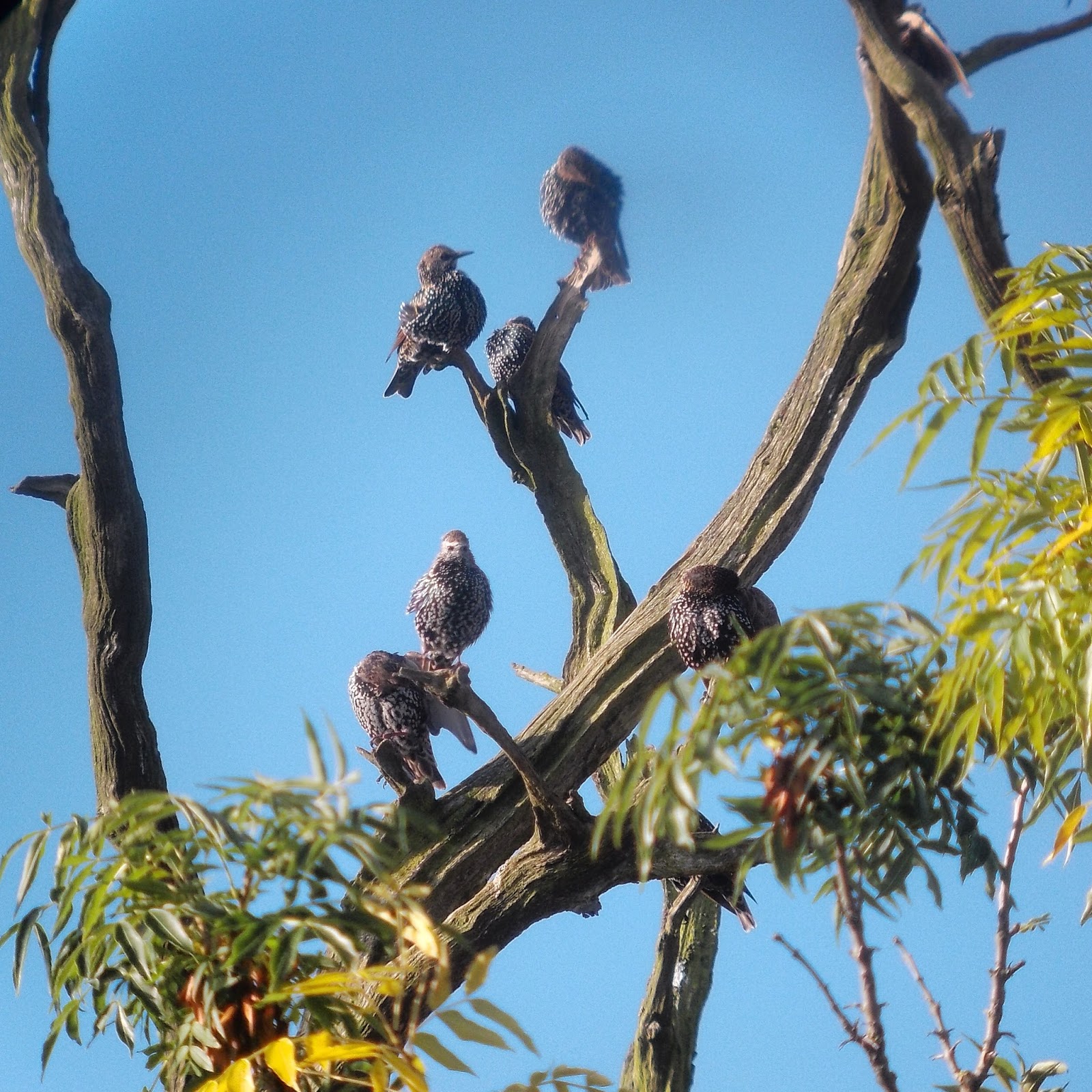
Migrant trap was busy once again with Starlings, Yellowhammer, Goldfinch and Greenfinches.

Drainage works continues to gather pace on Snipe Meadow however the Meadow Pipits & Skylarks were loving exposed mud. It was hard to conduct an accurate count however both myself and Jon estimated there must have been over 300 Meadow Pipits.

I then picked up a male Stonechat on the south bund which was nice. This was the first of three birds discovered during the morning as we found another on the main bunds and Lee had discovered one to the east of Pophills. Also on the main bunds we found another five Snipe to add to the eight we had discovered already, a very close adult Sparrowhawk, 2 Green Woodpecker and a Kestrel.


As we headed towards the car I counted an amazing 17 Common Buzzards enjoying the excellent thermals and as we counted a Tree Pipit flew west high above us.

Late note - Mark reported 2 Common Gulls & Red Kites 3/10/15


Rutland Ospreys 2015


Thought I'd post these great videos of the Ospreys we visited earlier on in year on the Birdfair week. The videos show you the highlights from the summer at Manton Bay. The Rutland Osprey blog is also worth a read and you can follow the birds migration south. Great birds !

Monday, 5 October 2015

Slimbridge's Semipalmated Sandpiper

Morning mist at Slimbridge
A Crane on show with the many wildfowl
Screen photo of Slimbride Warden's Twitter Feed (@JamesSLees)
Hide before it got busy
Collins Guide

Last week bought a Semipalmated Sandpiper to Slimbridge however after being first reported on Tuesday the question would be whether it would stay until the weekend for the working birders. 

I arrived in plenty of time and spent some time in the hides on the Holden walkway. To be honest it was fairly quiet but it was good to see 20 Russian White-fronted Geese. In addition there was 150+ Barnacle Geese & three Grey Plover but viewing was difficult due to the early morning mist/fog. Two Skylarks were showing very well on the edge of the scrape.

I reached the Ziess hide an hour before high tide to find an already packed audience had assembled. The upper part of the hide was two deep with birders and twitchers. 

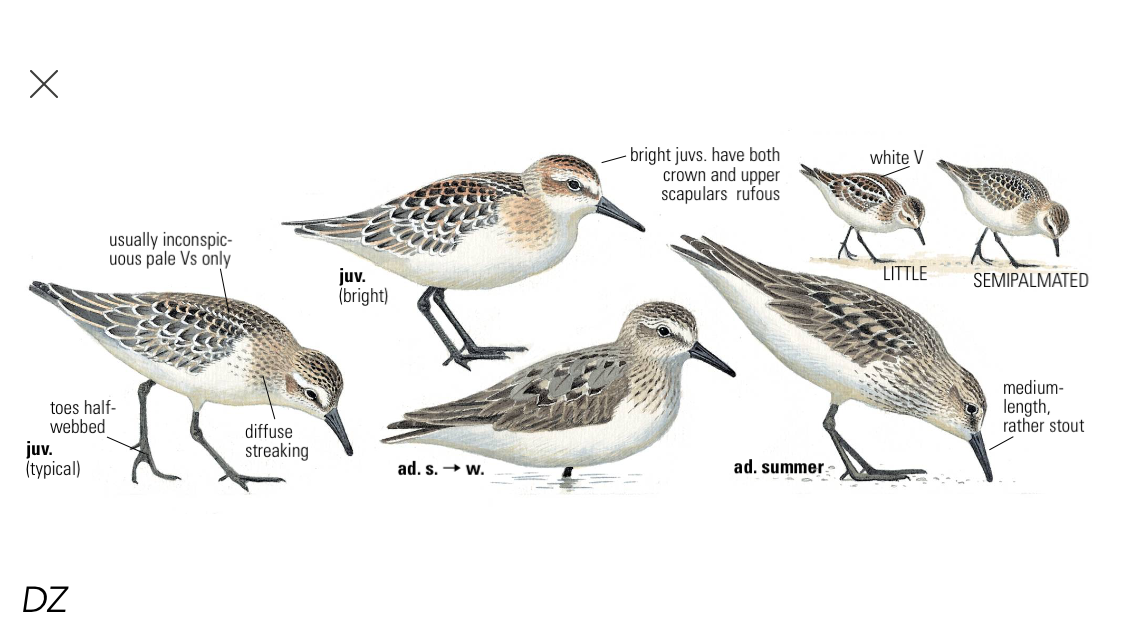
Next job was try and find the Sandpiper among 200 Dunlin and 2 Little Stints. Initially things were looking a bit bleak until a small Stint like was picked up in the Dunlin flock. We all had to wait until the Teal and Dunlin moved aside to get a clear view to confirm findings. Personally I was much happier when the bird woke up and started to feed. It was only then you could make out the stout shorter beak and less bright colouring on the back. Semipalmated Sandpipers are ground nesting waders from Canada & Alaska and are long distant migrants taking the long flight to costal South America. They can migrate in their thousands however on occasions single birds do arrive in Western Europe.  I found the above video online about Sandpipers on their breeding ground. The calls sound brilliant. As Slimbridge visits go it wasn't the best.

Other sightings included a Peregrine, Little Egret, 5 Common Crane, Grey Heron, 5 Greenshank, 8 Ringed Plover, 500+ Teal, 20 Black-tailed Godwit, 20 Knot, 10 Snipe.