Wednesday, 3 June 2020

Pits and pieces


Oystercatchers

Scarce Chaser (female)
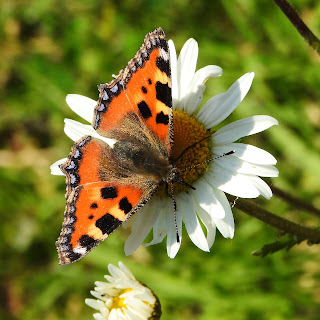
Small Tortoiseshell
Meadow Brown
Azure Common Blue Damselfly
Large Skipper
Common Blue
Black Tailed Skimmer
Emperor Dragonfly
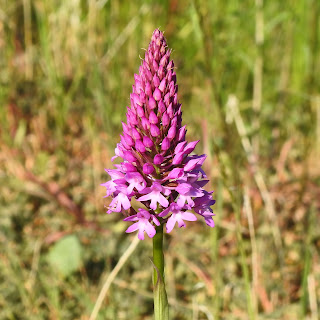
Prymidal Orchid
Yellowhammer
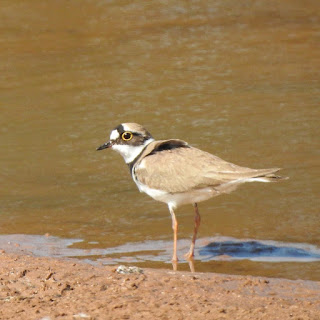
Little Ringed Plover

Large Skipper

Glossy Ibis (Mark Clarke)


It's been feeling like July rather than the end of May this week. The best bird I saw was a Glossy Ibis that I called in to see on the way back from the Nightingales.

The pits have been very quiet. The parish council kindly distributed some correspondance to locals about the rights of way in the hope it might get a new dog walkers away from the ground nesting birds.

Our only bird at the pits that isn't regular was a Great Crested Grebe that seems to be coming and going. All other sightings remain the same, not even the easterly winds brought us anything. Surely a Turnstone, Sanderling or Black tern is due. Lets hope we can pass 104 this week.


Ham Wall on very warm afternoon


When we arrived at Ham Wall it felt like it was the middle of August with very few birds moving around the reserve. The most common bird was the Marsh Harrier that gave us some cracking views and there was a single Great White Egret from the second viewing platform. The Hobbies were buzzing around over head catching a few of the plentiful dragonfly population. With drinks running low and it getting hotter by the minute we headed back to the car for our depature back up the M5.

Large Blues on Collard Hill


Large Blue Butterfly
Probably the clearest shot I got

Few from the top of the hill

One landed on Mrs D's trainer

Brimstone in the car park
After a really enjoyable time on Exmoor we set sail towards Ham Wall. As we punched the post code into the sat nav I knew there was another famous site en route for butterflies called Collard Hill. The hill was opened up in 2002 by the National Trust where you could see the reintoduced Large Blue butterly. The population was introduced in 2000 and the location is visited by over a thousand people each summer. The butterfly was pronounced extinct in 1979.

Our arrival took longer than expected as we found an elderley couple stuck in a layby with two tyres runined after going down a large pot hole. They had only popped out for a cabbage and didn't have a phone with them. So we helped them as much as could and arranged for Green Flag to collect them. Thankfully all got sorted.

We made our way to the hill which was very over grown and dry. Apparently cattle had been over grazed on the site and local volunteers had not been available due to the virus.

We had a relaxing lunch break enjoying the heat & the views before I tried to capture a few images of the freshly emerged Large Blues. I knew it would be difficult given the heat but I was just happy to see them. I did get a few shots but it was just too warm for them to bask.

We also record our first Marbled Whites of the summer but they were going too fast for photographs. (Please note latest update from Somerset Butterfly Conservation)

Heath Fritillary on Haddon Hill, Exmoor

Heath Fritillary
Heath Fritillary
Views from top of the hill
Heath Fritillary in prime spot
Stunning underwing

Same nectar source

Tree Pipit

Large Skipper

Green Hairstreak

As I continued my quest to see all the UK butterflies, my next target was the Heath Fritillary. The location would be Haddon Hill on Exmoor. With good weather set to continue myself and Mrs D decided to make a day of it but going to a couple of locations.

The Heath Fritillary is one of the smallest and recognised by it's dark colouring. The female is the larger sex and is slightly paler than the male.

The signs were encourgaging from the start and the temperature just touched 14 degress as we arrived at 8.20am hoping to catch the first butterflies emerging. As we left the car a female Redstart flicked her tail in front of us and Tree Pipits were singing from the top of the trees as we walked down the hill towards the lake.

The hot spot was to the right of the path and within ten minutes of searching the first one emerged quickly followed by another until there was around 20 in flight. I located a nice nectar source which kept attracting the Heaths but also two Green Hairstreak. I added my first Large Skipper of the year before heading back up the hill where we had a cold drink and snack before departing to our next location.

Thursday, 28 May 2020

Bank Holiday Collared Pratincole in south Gloucestershire


We were undecided where to head on Bank Holiday Monday, but with good weather forecast anything would be possible. We were probably all set to head for the Shropshire border when the Collared Pratincole was reported again between the Severn bridges. 

With the M5 showing as quiet we plumped for this option which takes just over an hour with traffic running smoothy. My theory of the bird being active after being hunkered down for the two previous days due to high wonds proved right on this occasion.

We scoped the bird instantly on arrival and were then treating to the bird constantly flying around the reserve feeding on the insects. This was the second time I'd observed this species and the views were considerably better than those at Ham Wall and without a prolonged wait.

This was my first post-pandemic twitch and I was very pleased to see birders acting responsibility and applying social distancing. 

After enjoying the bird, we walked the sea walk as the tide retreated. Lovely way to spend a morning.


Round town sightings

Yellow Wagtail (Mark Clarke)
Barn Owl
Barn Owl
Barn Owl
Just no room on one of two remaining islands
Brown Argus
Common Blue

It's been a funny week with the weather. Strong south westerlies brought us our first Hobby over the main areas of the pits that I flushed from the back of the old workings and the heavy cloud cover attracting 250+ Swifts on Friday. A pair of Yellow Wagtail are frequenting the crop near the service road but are not easy to see.

Jon picked up two Ringed Plovers trying to land on Sunday morning but kept going as practically impossible. Jon's full count was as follows:-

8 pairs of Little Grebe with one brood, 1 Great Crested Grebe, 1 Cormorant, 1 Grey Heron, 11 Mute Swan with brood, 55 Greylags, 66 Canada Geese and brood, 8 Gadwall, 135 Mallard, 2 (male and female) Pochard, 62 Tufted Duck, 6 Buzzard, 1 Kestrel, 90 Coot, 3 pairs of Little Ringed Plover, 2 Ringed Plover circled main pit calling, 3 Lapwing, 5 Black-headed and 12 LBB Gulls, 350 Swifts, 70 House Martins, 2 Green Woodpecker, counts of singing warblers included 40 Reed, 2 Lesser Whitethroat and 12 Common Whitethroat, 1 Raven, 50 Linnets in rape, just 1 Yellowhammer singing.

I visited Spernal at the start of week and had some super views of 2 Barn Owls to the backdrop of 3 Grasshopper Warblers.

Small Pearl-bordered Fritillary at Blackgraves Copse


High winds the previous two days held me back from a return trip to the Wyre Forest to see the freshly emerged Small Pearl-bordered Fritiallary butterflies. But with a warm day forecast I made sure I set the alarm early which enabled me to get parked up at around 7.30am. This species are know for becoming active very quickly so I was keen to get some quality images as they emerged from their roost. 

Lloyd Evans had the same idea so at least there was two of us looking amongst the long grass and heather. Sadly the dawn sunshine had disappeared as I past the Buttonoak Pub which gave us a prolonged wait where we did record 2 Wood Warbler and a Siskin.

So what's the difference to the Small-bordered Fritillary?
They are most easily distinguished by their undersides - each has a row of seven pearls, but the pearl-bordered Fritillary exhibits two very distinct additional pearls, while the small pearl-bordered fritillary has a colourful mosaic of white, orange and brown markings. The quickest way of checking species is the leading edge of the left fore-wing which resemble the figures 730. 


We probably recorded 12-15 in total during the session. The species became my 25th of the year and 45th in pursuit of photographing all the UK species.